Let’s get started straight now. If you’ve ever wondered why your grandfather’s gold sovereign seems to change its dollar value more often than you change your socks, get ready. The price of gold sovereign don’t just come out of nowhere. There is reason, chaos, superstition, and even some math involved.
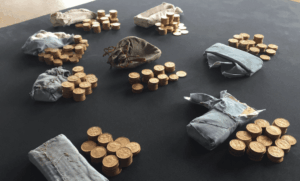
Begin with the basics. Each sovereign has a little less than 0.24 troy ounces of gold. If you want an approximate idea, multiply that number by the current spot price of gold. Simple, right? Don’t rush to the pawn shop just yet. It’s not only about the metal; a king’s or queen’s historical power also matters.
Let’s add the collector’s curveball. Some people don’t see shiny coins; they see history, their background, and occasionally a memory of delving through their grandmother’s jewelry box as a child. Sometimes, older or rarer sovereigns sell for a lot more than younger coins or even their weight in gold. One old Victorian sovereign can pay for a weekend excursion or a handful of parking charges in London. The people who collect? They’re strange and always looking for that next hard-to-find coin to add to their collection.
Now, look at the world stage. Gold markets may go crazy like a swarm of scared pigeons when there is geopolitical tension, inflation fears, or simply a tweet from a famous person. Prices go up and down like a seesaw. When central banks sneeze, it seems like every gold price ticker jumps.
Then, add the tricky part: dealer margins. Have you ever wondered why two stores on the same street give you two really crazy prices for the same sovereign? That’s their profit margin, or the amount they need to make to stay in business. It’s a game of little print and sharp calculations. People who are used to shopping compare costs that are provided over the phone with deals they find online. Sometimes, internet deals are better than deals in stores, but you also run the risk of getting a fake instead of the actual thing. In this scenario, trust costs anything.
The market’s appetite is also changeable. Gold becomes popular when economies slow down. Demand goes up, and sovereigns become quite valuable. Supply can’t keep up, which drives prices up. But when things are calm, sovereigns can sleep peacefully in bank vaults or sock drawers as their price slowly goes up.
A short aside. If you ask three people to value the same coin, you can get three different answers. It’s not a mistake; it’s an art. A rainy-day reserve for one individual can turn into an inheritance treasure for another. They argue that feelings about coin collection sometimes win out over logic in spreadsheets.
So, what does all of this mean? Prices for gold sovereigns never stay the same. Today’s quote is old news from yesterday and a wild prediction for tomorrow. Don’t just look at one dealer’s sticker if you’re contemplating about buying or selling. Go shopping. Ask questions. Learn the strange things. A little scratch might cost you a lot of money. On other days, a strange mistake on the stamp gives you a surprise windfall.
It’s good to know what’s going on, but it’s also good to keep your heart out of your wallet. It’s like checking the weather: if you wait long enough, you’ll see every season.