Gold has a timeless quality. People have followed it across countries, concealed it from pirates, and made up stories about it. But it’s not as easy to find the price of gold sovereign as it is to turn straw into gleaming metal. Let’s see through the glitter and the dirt.
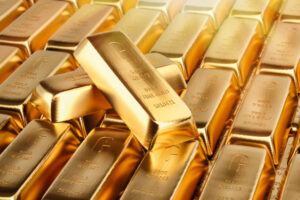
First, not every gold bar or coin shines the same way. It’s hard to measure purity. Gold that is 24 karats? That’s the purest you’ll get on the market; it’s a direct shot of the good stuff. But it’s soft. It recalls every mark, whether you bend it, scratch it, or scuff it. If you want something stronger, go down to 18-karat or 22-karat. Not as pure, but stronger, and yet beautiful in jewelry and antiques. It’s a choice between fragile beauty and wearable sparkle.
If you ask ten gold investors, you’ll get ten different answers. Some people swear by coins from well-known mints. Their features light up with the assurance of someone who thinks that tradition alone makes things worth more. Others search for bars, weighing and measuring them, and feeling their weight in their hands like traders did long ago. Then there are the crazy people, like the ones who buy strange little things, damaged jewelry, or pan rivers like they did in the past. Each one has a story to tell and a warning to provide. The sound of a metal detector at daybreak is the most honest sound there is.
Don’t forget about the small stamps and numbers. Hallmarks tell you where something came from and what its quality is. If you see 999 or 916, those aren’t locker numbers; they tell you exactly how much gold you’ve gotten. But there are people who make fake things. A magnifying lens, an acid test, or just plain old cynicism are all good ways to tell the difference between wheat and chaff, shine and fake.
You can do more with gold than merely put it in a safe. Some people wear it for luck. Some people think of it as a way to protect themselves from storms, whether they are economic or not. In different civilizations, a gold necklace could be a dowry, a sign of status, or just a family’s savings for a rainy day. It goes from person to person and from language to language.
Now, the price. The price of gold can change quickly, like popcorn popping on a hot skillet. Markets react to rumors and news, wars and inflation, tweets and treaties. Sometimes timing is essential, and other times it’s just luck. You buy low and your neighbor buys big. The next week, everything changes. That’s the risk. But for those who are patient, gold has held its value longer than most other currencies.
A personal touch? A gold bug with glazed eyes once informed me, “You never really own gold; you just take care of it for the next person.” That might seem a little flowery, but the best gold never actually leaves the story; it only changes hands. The best gold is the one that makes you smile, reminds you of something important, or just sits there, shining, while the world goes on.
Look for, ask, check, and do it again. And don’t forget that sometimes everything that shines is gold.